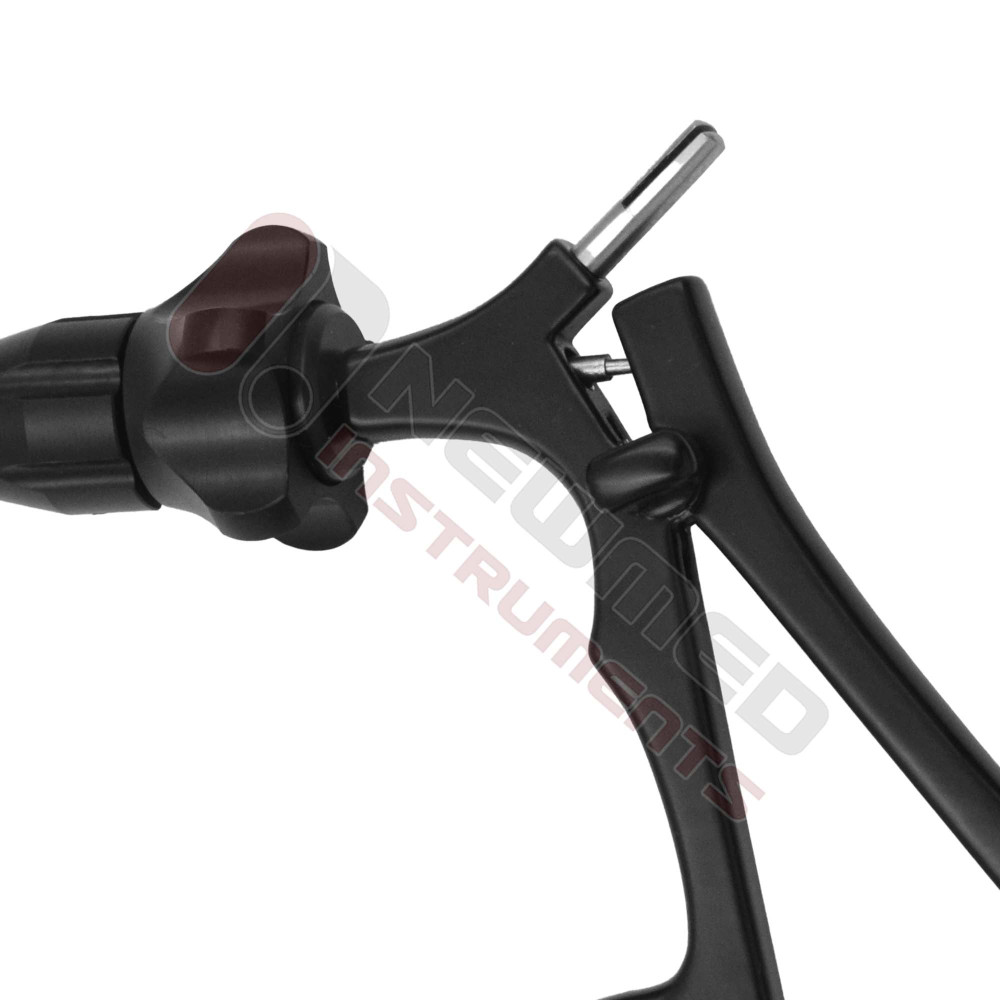
Modern surgery is defined by precision and the drive to minimize patient recovery times. As minimally invasive procedures become the standard of care for many conditions, the tools surgeons use must evolve to meet these high demands. Laparoscopic surgery, in particular, relies heavily on specialized instruments that allow surgeons to manipulate internal organs with the same dexterity as their own hands, but through tiny incisions. One such indispensable tool is the fenestrated grasper, a device designed specifically to handle soft tissues with care and security.
The Unique Design of the Instrument
The term fenestrated refers to the presence of openings or windows within the structure of an object. In the context of surgical instruments, this design choice is functional rather than aesthetic. The defining feature of a fenestrated grasper is its jaw design, which includes open slots or windows on the grasping surface. These openings serve a critical mechanical purpose during an operation. When the jaws close around tissue, the soft material bulges slightly into these windows. This action creates a secure hold through friction and mechanical locking rather than relying solely on crushing pressure.
Clinical Applications in General Surgery
Surgeons across various disciplines utilize this instrument for a wide array of procedures. It is particularly common in general surgery, gynecology, and urology. Surgeons rely on the fenestrated grasper for a variety of procedures where organs need to be moved or held aside to reveal the surgical field. For instance, during a cholecystectomy (gallbladder removal) or an appendectomy, the surgeon needs to retract the liver or bowel without causing damage. The broad surface area of the jaws, combined with the windowed design, allows for firm retraction that does not slip, which is vital when working in the confined space of the abdominal cavity.
Minimizing Tissue Trauma
One of the primary goals in any surgical intervention is to preserve healthy tissue. Instruments with teeth or heavy serrations can cause unnecessary trauma, leading to bleeding or perforation of delicate structures. Using a fenestrated grasper allows the surgeon to manipulate bowel, stomach, or vascular tissue atraumatically. Because the grip is achieved through the displacement of tissue into the fenestrations rather than sharp teeth digging in, the risk of crush injuries or accidental tears is significantly reduced. This atraumatic characteristic makes it the preferred choice for handling tissues that must remain viable and intact after the procedure is complete.
The Importance of High-Quality Materials
The effectiveness of any surgical tool depends heavily on the quality of its manufacturing. Surgical instruments undergo rigorous sterilization cycles involving high heat and chemicals, which can degrade inferior materials over time. When selecting a fenestrated grasper, the quality of the steel and the precision of the hinge mechanism are paramount. High-grade stainless steel ensures that the instrument maintains its structural integrity and resists corrosion. Furthermore, a well-balanced instrument provides the surgeon with better tactile feedback, allowing them to feel the tension in the tissue they are handling. New Med Instruments focuses on providing these high-quality solutions to healthcare professionals, ensuring that every tool performs reliably in the operating room.
Elevating Surgical Outcomes
The success of a laparoscopic procedure often hinges on the surgeon's ability to navigate complex anatomy without causing collateral damage. By offering a secure grip with minimal pressure, specialized grasping tools play a pivotal role in achieving this balance. Whether used by a seasoned surgeon or a medical student learning the ropes, high-quality instruments are the foundation of safe and effective healthcare.